I wish we were at the beginning
A quarter of the way in, my favorite albums of 2026 so far.

Music from the year so far:
Buy Music Club
Deezer
Spotify
In October I had a life-changing music experience at a Chipotle in San Antonio.
A month before, my father went to an ER with shortness of breath. After two weeks of misdiagnoses, premature hospital discharges, and arguments with (and between) doctors, we learned he had a mitral valve tear. The intensive care doctor said surgery was a longshot for my 92-year-old father, and that he would die without intervention, he explained while pointing at a Google AI summary on his computer.
My father, who’s now 93, had until this point been the picture of health. He was a fearsome tennis player from his late 20s until his early 80s, when he switched to pickleball, and then finally retired his paddle a few years later when his knees begged him to. A voracious reader and an enthusiastic mathematician, his mental acuity has never skipped a beat, as far as I’ve been able to tell.
So yes, a 92-year-old, but one whose energy and curiosity remains undiminished, and with few health issues up to now. Had the doctor instead looked at the AI summary for “mitral valve repair,” he’d see it’s a procedure with upwards of a 95 percent rate of success.
We got a second—or by now was it a third?—opinion, the hospital cardiologist, who chatted with my father, reviewed his charts, and said he looked like a shoo-in for the procedure. After scoping his heart, the cardiologist cleared my father for transfer to a hospital in San Antonio, where we spent a couple of days waiting for his surgery to be scheduled.
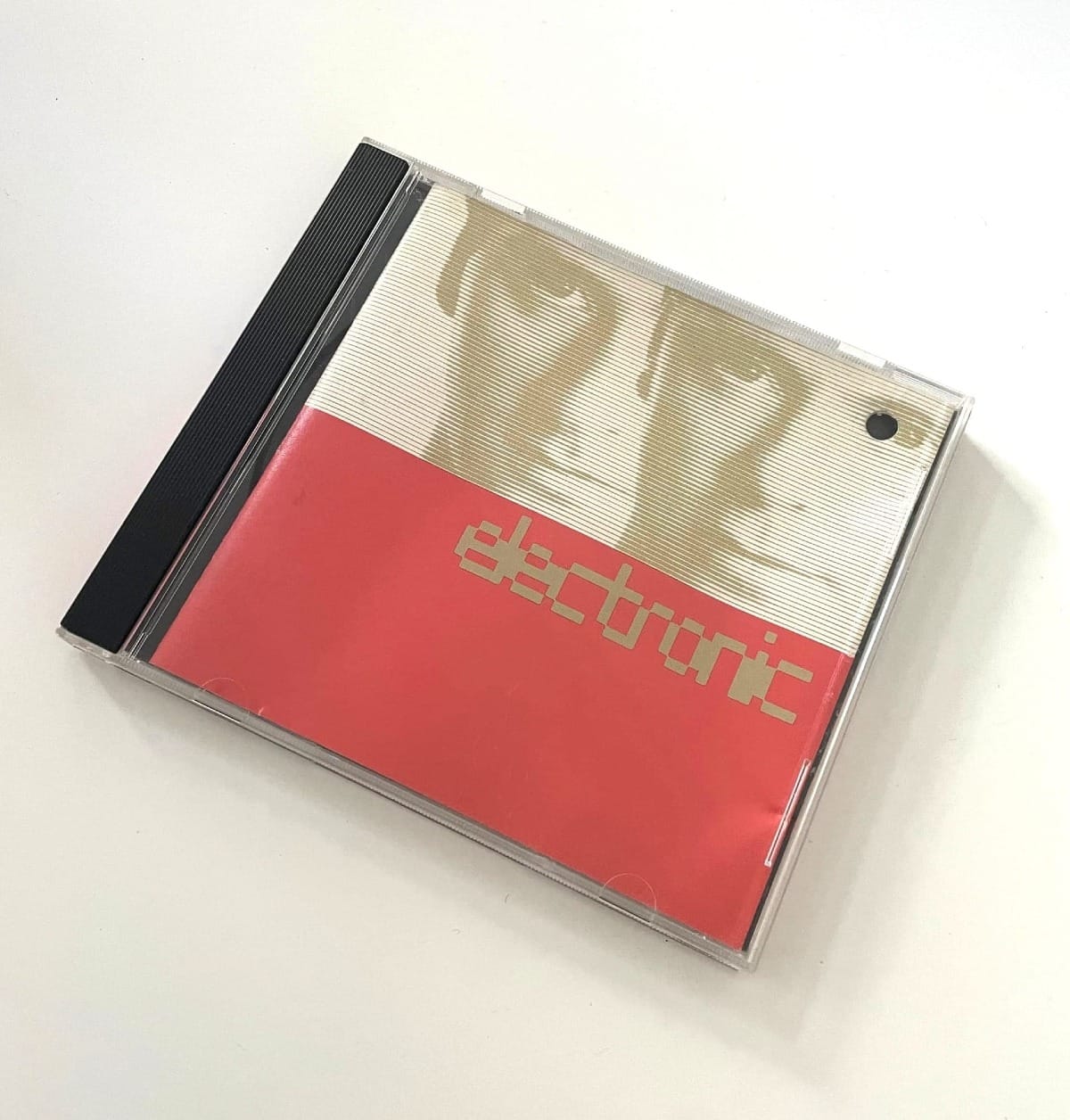
Finally, it seemed like I was beginning to see an end to the weeks of anxiety, of despair, of weighty decisions, of dropping everything and jumping in the car to crisscross the state, of night after night after night of endeavoring sleep on hospital furniture. I went down the street to find some lunch, walked into a Chipotle, where I heard the opening piano/bass groove of “Getting Away With It,” the 1989 hit single by Electronic, aka New Order’s Bernard Sumner and Johnny Marr, formerly of the Smiths.
I have always hated this song. When it came out I was a teenager deeply, obsessively into both bands, but I had also been trying on an anti-corporate ethos, and this song, all over the radio at the time, smacked of selling out. Was it a good song? I wasn’t going to find out, apparently for another 35 years.
But bleary-eyed from the past month of hospitals, I sat at a window table to eat, and the song overwhelmed me. Every beat, every note, every lyric was all the emotions I hadn’t let in for weeks: unworried, breezy, joyful. That bassline, bouncing all over. That chorus. That solo. As the song swelled, so did my optimism. The clouds dissolved.
I got in the car and played the song again. And again. I played it all the way back to the hospital and every time I got in the car, every day until the surgery was over. It was an on-demand reinforcement of hope.
After the surgery, and while my father spent a few more days in the hospital for recovery, I began listening to the rest of the album, which was released a couple of years after “Getting Away With It,” and most tracks from which would have seamlessly slotted into New Order’s 1989 album Technique, which then and now remains a favorite. While “Getting Away With It” has a lot wrapped up inside it for me, it’s “Some Distant Memory,” toward the end of the album, that’s become my go-to. The tight dance beat, the sinister/melancholy humor, the anthemic coda—it’s practically a New Order song from that era, a forgotten personal time capsule, a piece I didn’t know was missing.
The albums
LINTD, Funeral Rites on Planet Saturn
An album that no matter how many times I hear it, it feels like the first time. It’s rare to hear new music that feels truly new. Usually there’s some sort of familiarity grounding it in a more obvious way—but that’s unclear here. The pat way to classify this is “experimental,” but a less tidy and hopefully descriptive way to is abstract discordant classical jazz spoken-word minimalism. Words fail me here, but it’s no exaggeration to say this is already one of my favorite albums of the year.
 LINTD
LINTD
Paperclip Minimiser, II
You can hear how fun this breakbeat dub magic must have been to coax into existence. The grins are practically audible, and they’re infectious.
 cpalmatier
Fallen Flowers, Fallen Flowers
Lovingly layered, gothic/dark ambient solo guitar—evoking Projekt Records, maybe? Nailing an ethereal sound like this without overprocessing it through effects is an achievement in itself.
 Mack
Mack
The Thinking of the World Began Pounding in Our Ears the Moment We Hit Shore, s/t
This wonderful new album by Florian TM Zeisig and More Eaze is experimental (there it is again), but experimenting with pop sensibility. Is it possible to take a wide-ranging ambient or musique concrète “song” and fit it into three minutes with a (kinda) verse and (sorta) chorus? Only one way to find out.
 tomashkin
Colleen, Libres antes del final
The five subtly blistering, pulsing synth compositions—all performed on a single Moog Matriarch—fit together as an obvious family, yet traveling from one track to the next is a journey into a wholly new and different terrain.
 jondo69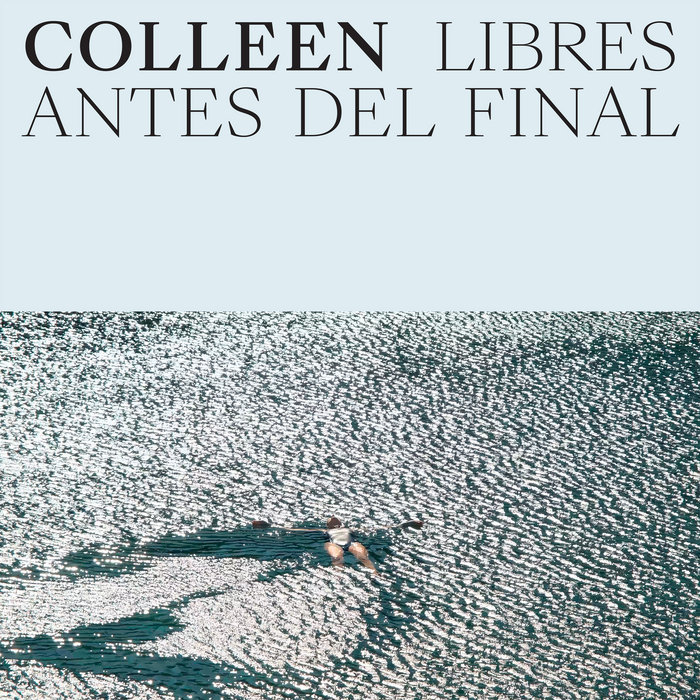
Deadbeat, Kansai Botanicals
Organic ambient tangents become healing dub excursions. Whenever I listen, I can just about feel every pressure around me release.
 quiet details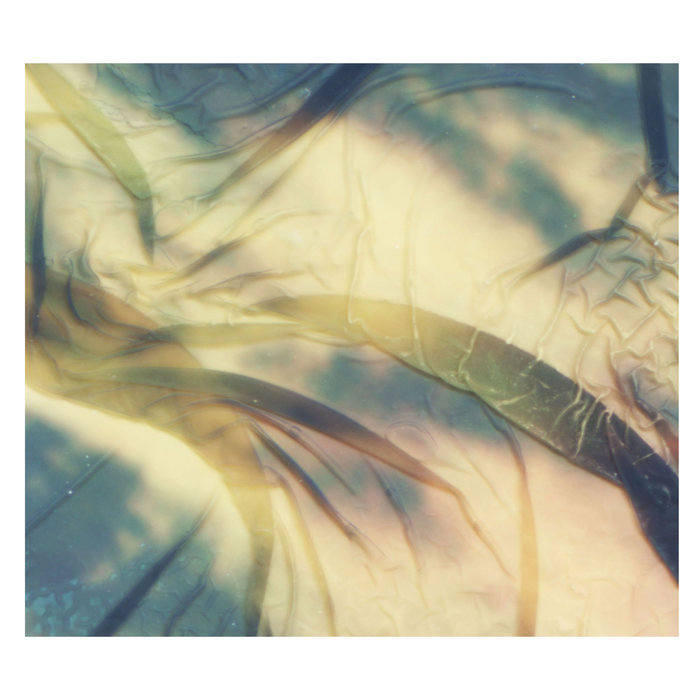
KMRU, Kin
Lately I’ve been on a whole thing about what is or isn’t ambient music, because it seems to have become the trend where everything falls into the category. And this album is specifically what I’m looking for from it now—ambient that moves and evolves nearly imperceptibly. The more glacial the better.
 light-and-thunder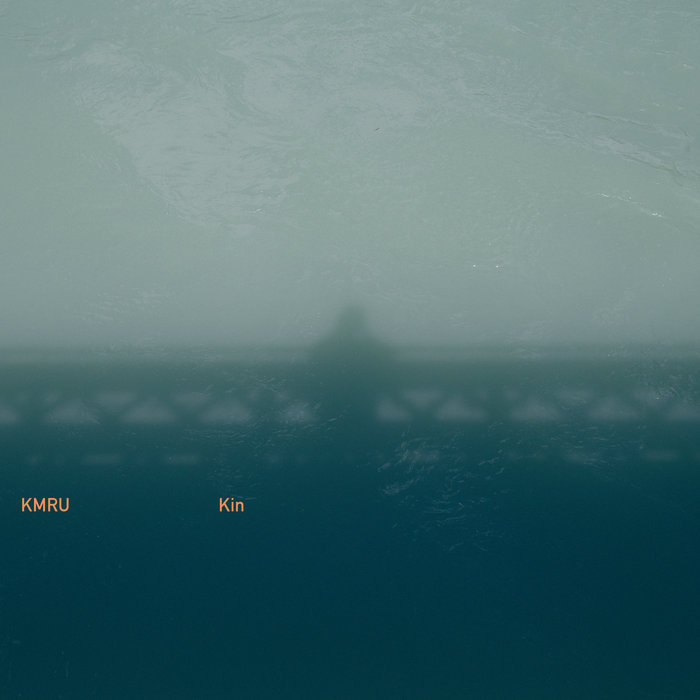
Magda Drozd, Divided by Dusk
Drozd’s vocals, violin, and synth swirl across these eight variously lush, abrasive, and melancholy compositions that recall early Dead Can Dance (complimentary).
 k9
k9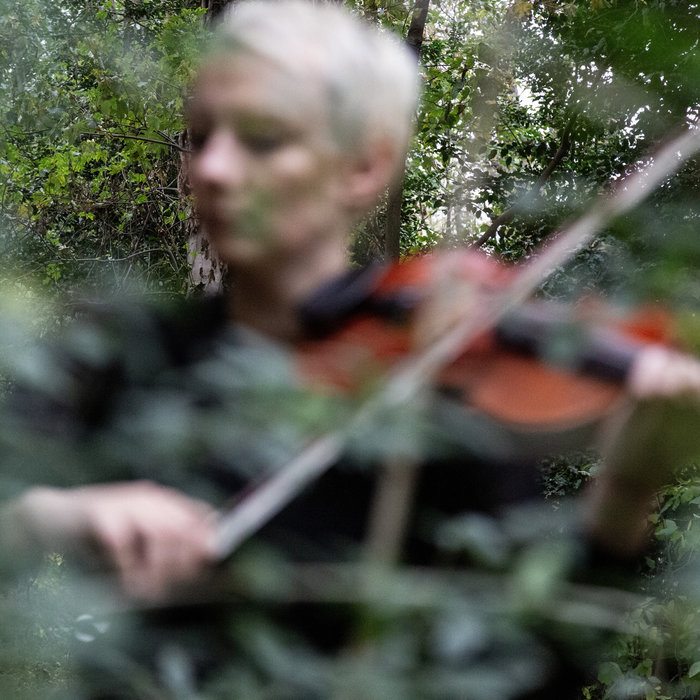
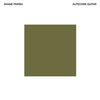
Shane Parish, Autechre Guitar
Exactly what it says on the tin, yet so much more. At points these covers tie more clearly back to their original groundbreaking electronic tracks—which is a lot to try and mimic on an acoustic guitar—but it’s where Parish interprets the essence of each song to fit his instrument that makes this record so imaginative and groundbreaking on its own terms.
 chumpwhmo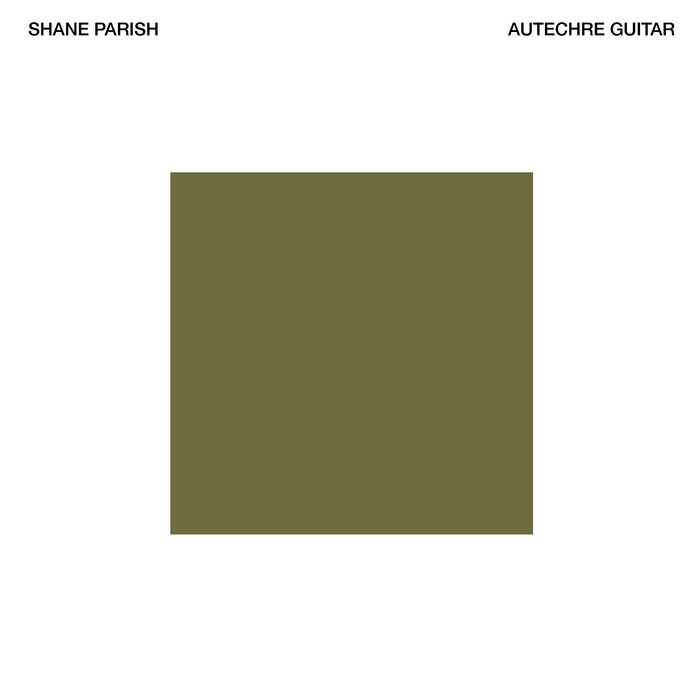
Tashi Dorji, Low Clouds Hang, This Land Is on Fire
This album of soulful, meditative guitar improvisations held me rapt from start to finish, and I’m saying this as someone personally responsible for some particular awful guitar improvisations.
 D. G. Fitch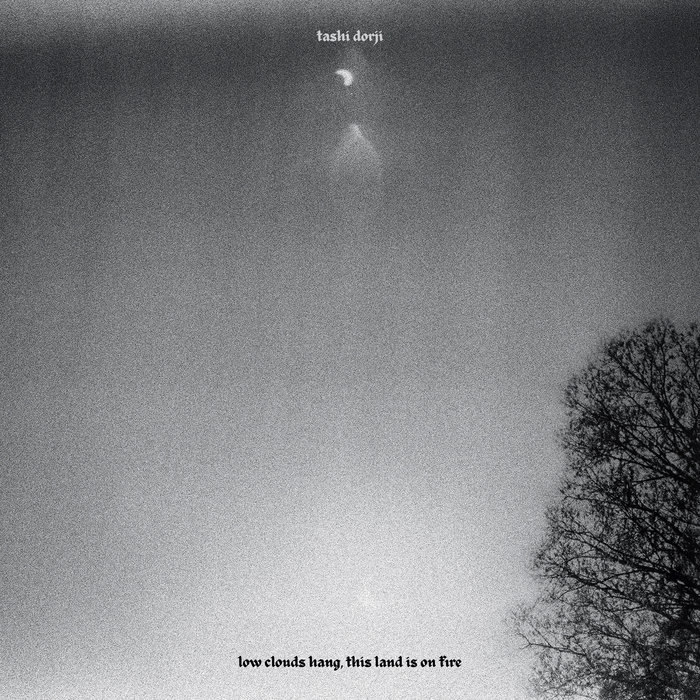
Poppy H, SICK STREET
This is some fantastic world building. Layered with dizzying, disintegrating beats, melodies, and broken song structures, I listened to this one on repeat all day and never got tired of trying to figure it out—or really any closer.
 Tomasz Kawecki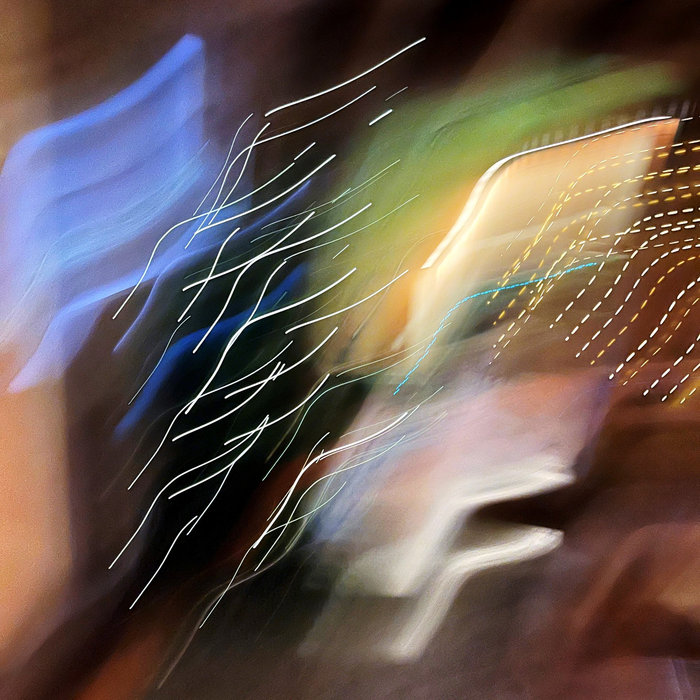
Velv.93, Maidstone
Pulsing ambient techno delicacies that hearken back to early Warp, along the lines of its seminal Artificial Intelligence series, but with what seems almost like a classical undercurrent.
 tomashkin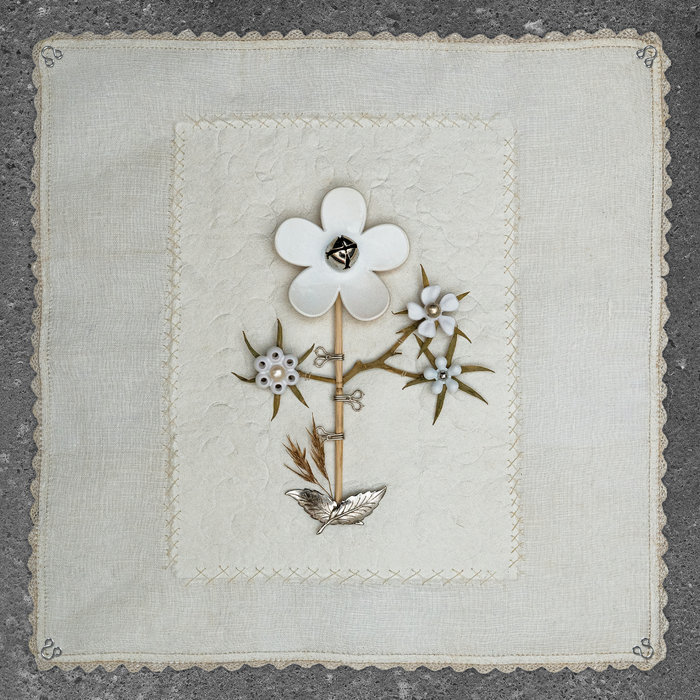
Yuki Aizawa, Whispers of the Distant Past
Ambient—this counts!—guitar so hazy, textural, and feedback-soaked it’s pretty much disconnected from the original instrument.
 tomashkin
Tristan Allen, Osni the Flare
Taken together, this album is a delicate symphony. Individually, these 10 movements push apart in different melancholic, stirring degrees. The spare instrumentation, performed entirely by Allen, combines in an breathtaking way—the sound gets frankly huge. Beyond their music, though, Allen is also a puppeteer, and their work in that regard brings this record to life even more.
 ❤️rod❤️
Xylitol, Blumenfantasie
Required drum and bass listening. Catherine Backhouse is doing some of the most interesting work in the field in the past 30 years, bending and pushing the form into something fully new. Following her brilliant 2024 album Anemones, this is a huge jump forward (which is saying something), incorporating an even wider palette of textures and styles.
 Xylitol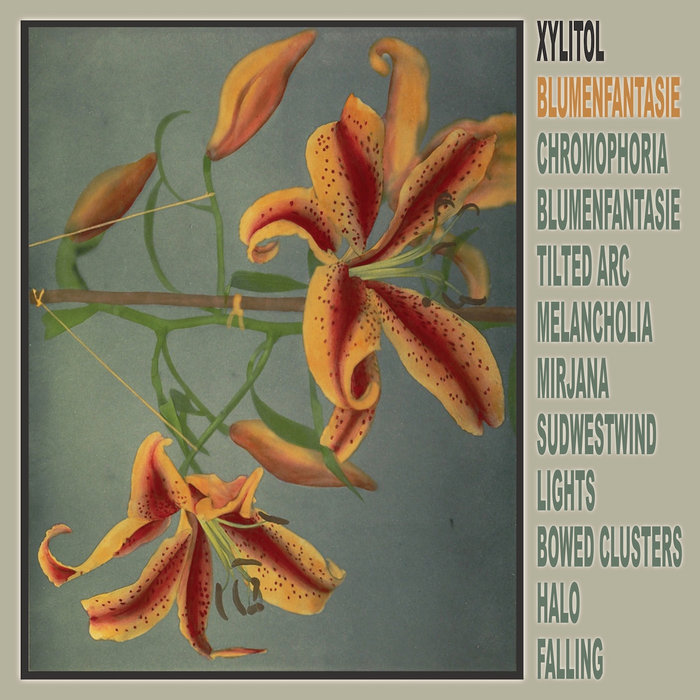
Enno Velthuys, Music From the Other Side of the Fence
I was previously unfamiliar with Enno Velthuys’s music. He put out a number of cassettes in the 1980s, which are now getting a more widespread posthumous release. If, like me, you’re new to this, these solo synth compositions are truly lost treasures, a little along the lines of Harold Budd.
 tomashkin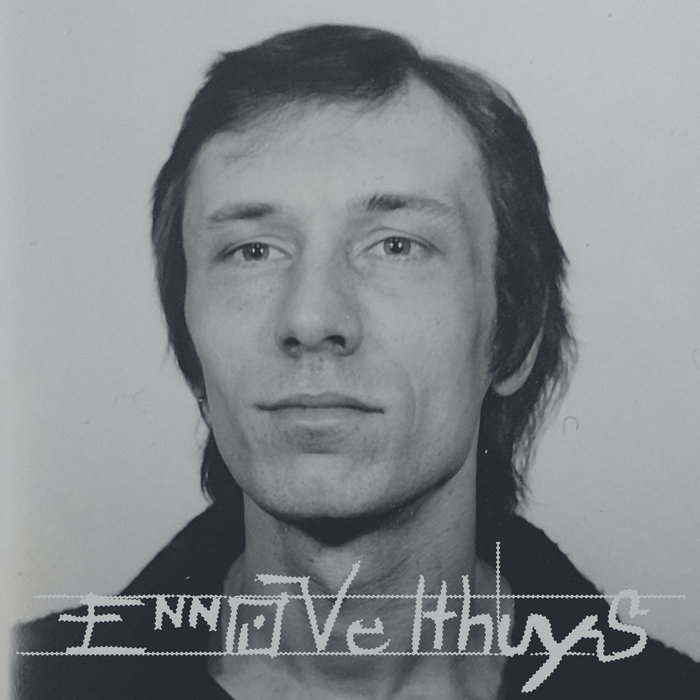
Shaking Hand, Shaking Hand
Any band that wears its Unwound or Sonic Youth influences on its sleeves is a friend to me, and especially when its sound is beyond the mere sum of its forebears. Welcome to post-post-post hardcore, or wherever we are now.
 troopystoopy
Bill Orcutt, Music in Continuous Motion
I really love the concept of this album, this hypnotic sway Orcutt creates with multiple electric guitar tracks repeating these infinitely circling riff-solos and patterns. What makes it work, though, is that in addition to Orcutt’s technique, it all happens with a guitar and an amplifier. It’s astounding, and you can’t reach these heights with processing; this is the sound of no shortcuts.
 krotix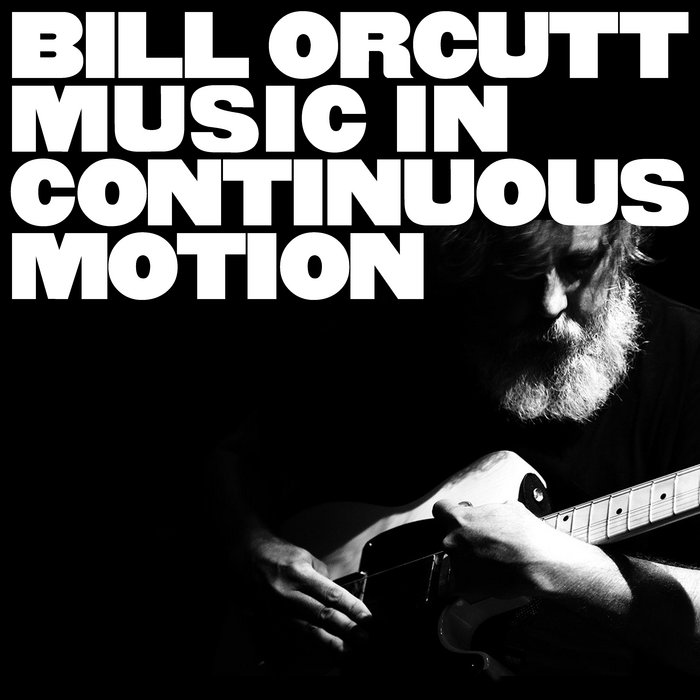
Rafael Anton Irisarri, Points of Inaccessibility
So, is this ambient? My working rubric is “I know it when I barely notice it,” and this was on its way to being a pretty textbook case until that massive chord hits nearly seven minutes into “Faded Ghosts of Clouds,” which floored me, where I remain to this very moment.
 Daniele Bogon